Aligning Promotional Timelines with Statistical Thresholds in Blackjack and Roulette
Written by Greta Wolf · Jun 20, 2026
Aligning Promotional Timelines with Statistical Thresholds in Blackjack and Roulette
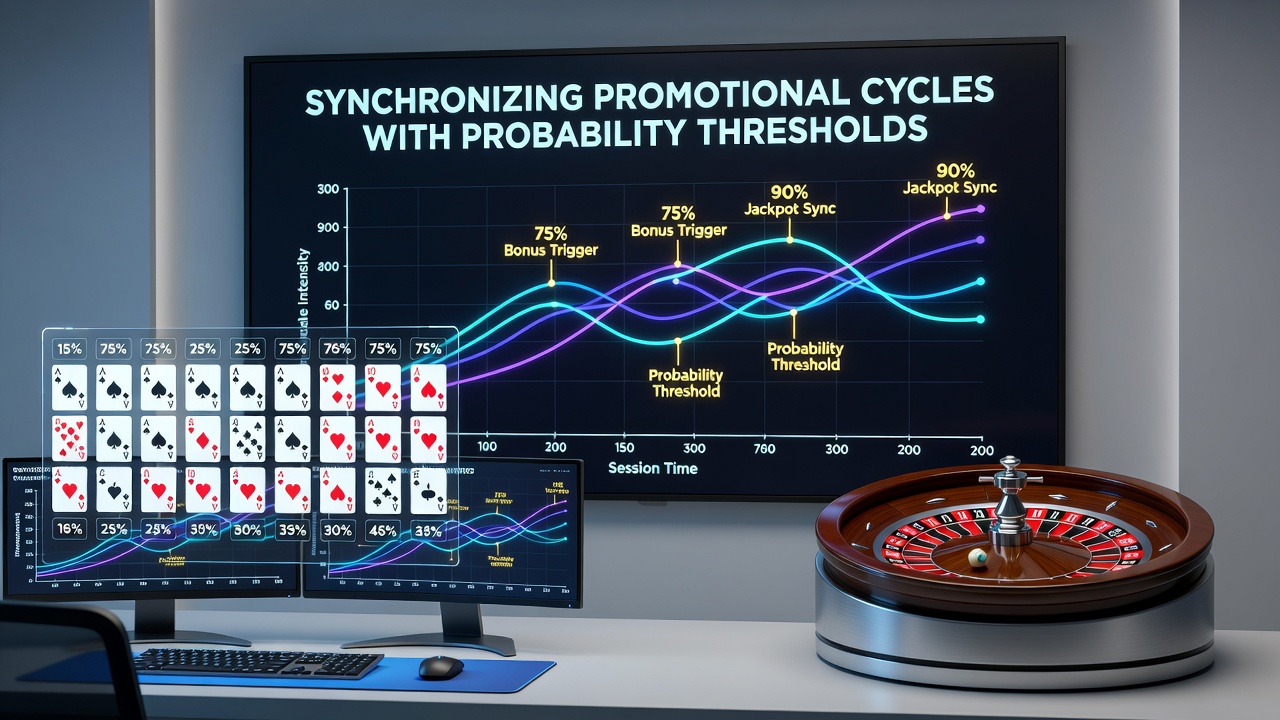
Observers note that promotional cycles in casinos often follow predictable patterns tied to player traffic data, seasonal events, and regulatory reporting periods, while probability thresholds in blackjack and roulette remain fixed by game mathematics. Those who examine these elements together find that timing deposit bonuses or free spin offers against specific probability benchmarks can create measurable overlaps in session planning. Research from academic institutions shows that blackjack maintains a house edge between 0.5 and 2 percent depending on rules and player decisions, whereas roulette carries a consistent 2.7 percent edge on European wheels and 5.26 percent on American variants. Data indicates these baselines stay constant regardless of external promotions.
Promotional Structures and Their Typical Durations
Casino operators release deposit matches, cashback offers, and loyalty multipliers on schedules that repeat monthly or quarterly, with spikes around major sporting events or fiscal reporting deadlines. Figures from industry reports reveal that June 2026 brought additional promotional pushes across multiple jurisdictions as operators adjusted to new tax frameworks and player retention metrics. Those tracking these cycles observe that bonus wagering requirements commonly range from 20x to 40x, creating windows where players can align play with games that offer clearer statistical entry points. And because roulette outcomes distribute evenly across independent spins while blackjack incorporates memory elements through card depletion, the synchronization process differs markedly between the two games.
Blackjack Probability Thresholds and Card Flow Dynamics
Blackjack sessions hinge on running counts and true counts that shift as cards are removed from the shoe, with researchers documenting that true counts above +2 correlate with player advantage opportunities in multi-deck games. Studies published in probability journals demonstrate that basic strategy reduces the house edge to its lowest configuration, yet promotional multipliers apply uniformly across all bets placed during the bonus period. Observers have noted that players often wait for count thresholds near the end of promotional windows when remaining hands can still satisfy wagering conditions without extending sessions unnecessarily. This approach connects the fixed bonus timeline to the variable probability landscape created by deck composition.
Roulette Threshold Applications and Sector Targeting
Roulette operates on fixed probabilities per spin, with European single-zero wheels delivering 18/37 odds for red or black selections. Those analyzing historical spin data find no predictive value in past outcomes, yet promotional cycles sometimes coincide with bonus features that multiply winnings on even-money bets. Reports compiled by regulatory bodies outside the UK highlight that operators in Nevada and Ontario release aggregated payout statistics quarterly, allowing external observers to identify periods when roulette promotions overlap with standard volatility patterns. Because each spin resets independently, synchronization in roulette focuses more on matching bonus expiration dates with bankroll allocation rather than adjusting mid-session thresholds.
Combining Data Sources Across Regions
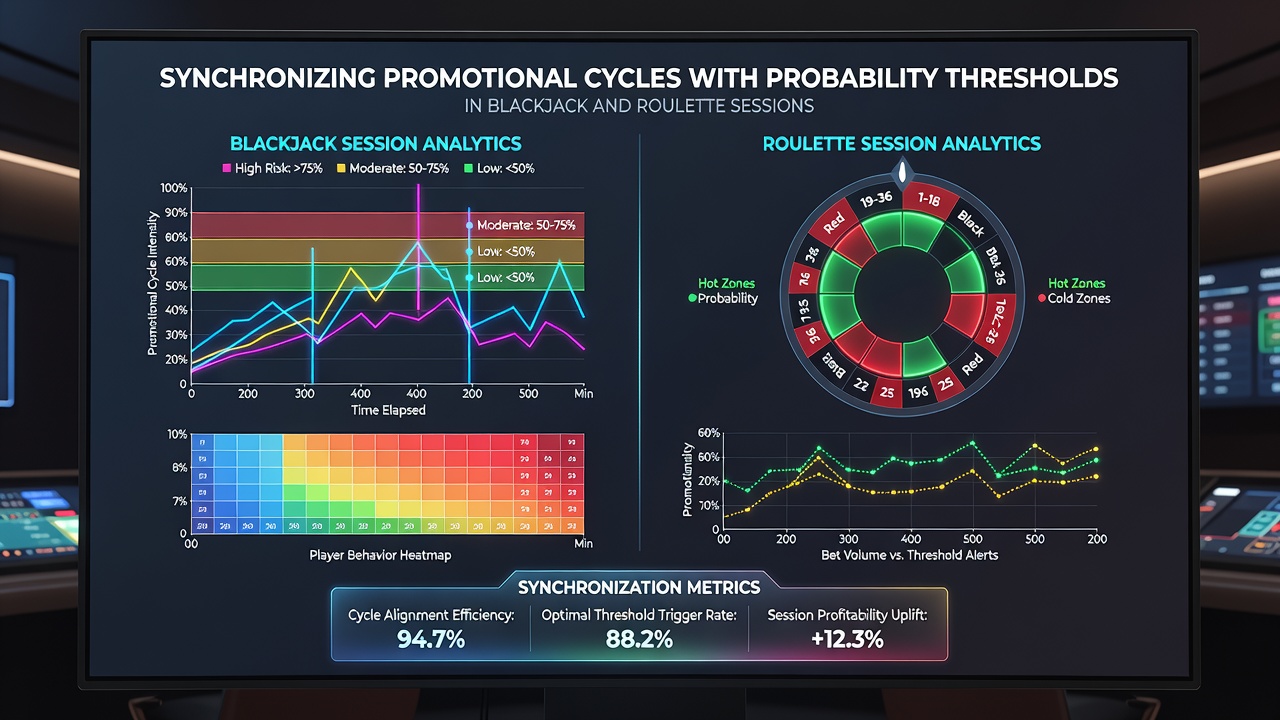
Analysts cross-reference promotional calendars with payout reports issued by the Nevada Gaming Control Board and academic datasets from Canadian research centers to map alignment opportunities. One study released through the University of Nevada, Las Vegas tracked thousands of sessions and found that bonus periods lasting seven to fourteen days frequently captured peak player volume without altering underlying game mathematics. What's interesting is how these external datasets remain independent of individual casino marketing, providing neutral benchmarks for probability calculations. And players who review such aggregated figures can identify recurring calendar patterns without relying on operator-specific announcements.
Session Planning Considerations
Effective alignment requires separating the promotional calendar from in-game variance. Blackjack thresholds shift with every hand dealt, while roulette probabilities stay constant, so session length planning differs accordingly. Data from multiple jurisdictions shows that wagering requirements attached to June 2026 promotions often concluded near month-end reporting dates, creating natural breakpoints where players could exit once thresholds were met. Those reviewing session logs note that combining fixed roulette bets with variable blackjack counts during overlapping bonus windows produced different risk profiles than using either game alone. The mathematics remain unchanged by promotional overlays, yet the timing of when those overlays activate affects total hands or spins completed within a given period.
Conclusion
Promotional cycles and probability thresholds operate on separate tracks, with one driven by marketing calendars and the other by game design. Available datasets from Nevada and academic sources confirm that blackjack count thresholds and roulette fixed odds continue without modification during bonus events. Observers tracking June 2026 patterns recorded no deviation from established house edges despite expanded promotional activity. Those who examine both elements together see structured opportunities for session timing based on published statistics rather than predictions of future outcomes.