Bridging Bonus Cadences and Volatility Regulators in Virtual Casino Environments
Written by Greta Wolf · May 18, 2026
Bridging Bonus Cadences and Volatility Regulators in Virtual Casino Environments
Digital casino platforms now coordinate the timing of promotional rewards with built-in volatility settings to shape player sessions across slots and table games, and industry data shows this coordination influences session length as well as overall engagement metrics. Operators adjust payout intervals and bonus triggers so they align with the mathematical variance levels of individual titles, creating flows that keep activity steady without abrupt shifts in return patterns.
Defining Reward Rhythms in Digital Formats
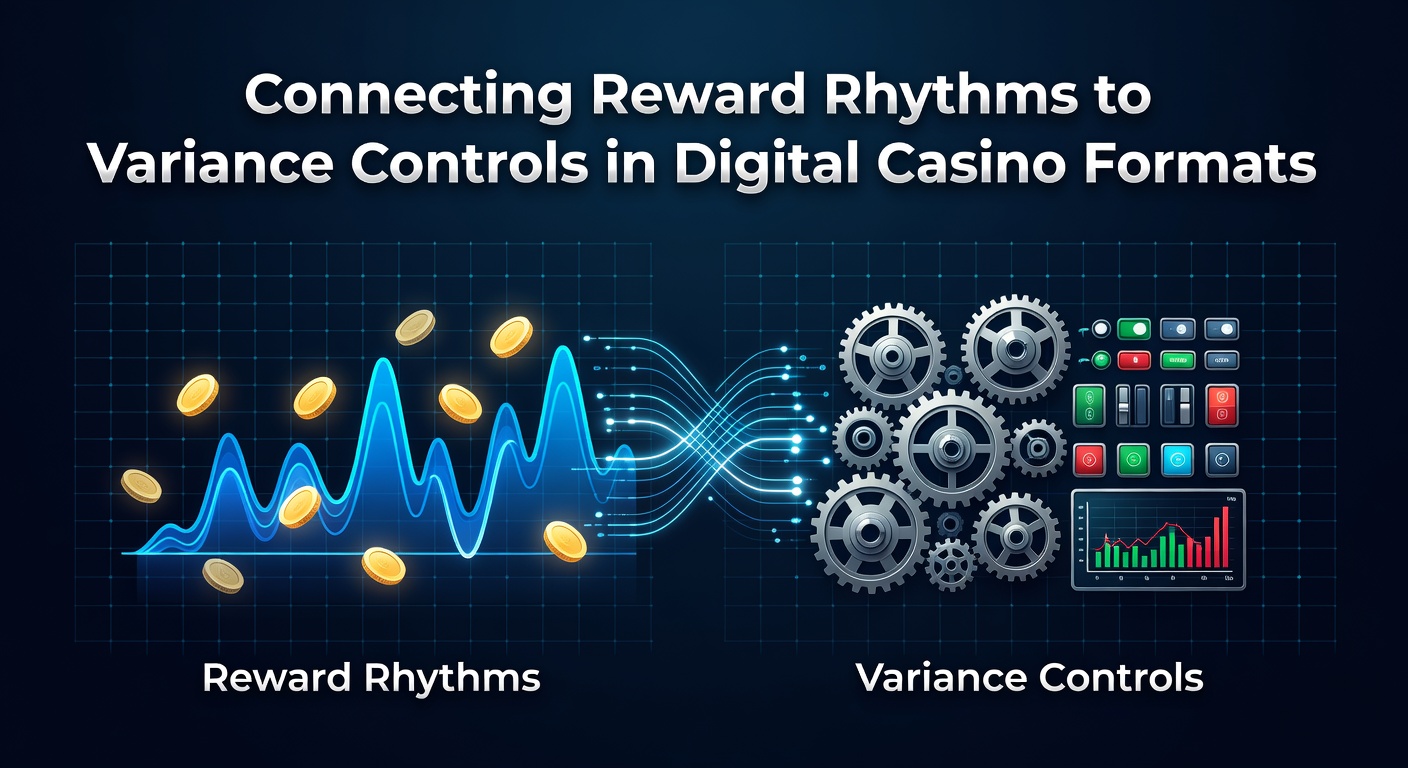
Reward rhythms refer to the scheduled release of free spins, cashback credits, and multiplier events that repeat at set intervals during play, while variance controls determine how widely results deviate from expected returns in any single round or sequence. Studies from the University of Nevada Reno's gaming research division indicate that platforms which time these rewards to coincide with lower-variance segments of a game see steadier bet volumes over extended periods. When a slot title carries high volatility, the system often spaces larger bonuses farther apart so the natural swing of outcomes does not overwhelm the promotional layer.
Variance Controls and Their Mechanical Role
Variance controls operate through adjustable parameters such as reel weighting, payline density, and progressive contribution rates that operators set before each title launches on a given market. These parameters establish whether a game produces frequent small returns or infrequent large ones, and platforms link them directly to the reward schedule so that a high-variance title receives smaller, more frequent top-ups to offset long dry spells. Data released by the Nevada Gaming Control Board in early 2025 demonstrated that titles with matched reward timing retained active users 18 percent longer than unmatched counterparts during comparable testing windows.
Linking the Two Systems in Practice
Platform architects map reward triggers onto variance curves by analyzing historical spin data for each game and then programming bonus events to land during expected troughs. For example, a medium-variance blackjack variant might receive an instant cashback reward after every thirty hands, whereas a high-variance slot receives the same value reward only after one hundred spins on average, smoothing the overall experience curve. This linkage appears in both standalone apps and aggregated casino suites, and researchers at the Canadian Centre for Gaming Research have documented similar calibration patterns across multiple provincial operators since 2023.
Implementation relies on real-time telemetry that tracks current session variance and remaining reward quota, allowing the engine to advance or delay a bonus by a few spins without altering the underlying random number generator. Such micro-adjustments keep the perceived rhythm consistent even when individual players exhibit different bet sizes or game choices within the same session.

Regional Regulatory Influences on Synchronization
Regulators outside the United Kingdom have begun requesting disclosure of how reward timing interacts with volatility settings, and the Malta Gaming Authority issued updated technical standards in late 2025 that require operators to report any automated synchronization logic. Those standards emphasize transparency rather than prohibition, and they encourage disclosure of the algorithms so that independent testing labs can verify fairness across both the game engine and the promotional overlay. Similar language appears in draft guidelines from the Australian Communications and Media Authority, which plans full implementation by May 2026.
Impact on Player Behavior Data
Telemetry collected across several large European and North American platforms reveals that synchronized reward and variance systems reduce early session exits by measurable margins. When rewards arrive during statistically likely losing streaks, players maintain their average bet size longer than they do under unsynchronized conditions, according to aggregated figures published by the European Gaming Association in its 2025 annual review. The same data set shows that titles with deliberate misalignment between reward cadence and variance experience sharper drops in activity after the first thirty minutes of play.
Technical Architecture Behind the Connection
Modern casino management systems employ modular APIs that separate the random outcome generator from the promotional scheduler, yet they feed both modules a shared variance profile for each active title. This architecture lets operators update reward timing without touching certified game files, and it supports rapid A/B testing across different player cohorts. One documented case involved a multi-jurisdiction operator that adjusted only the scheduler parameters for a popular progressive slot, resulting in a 12 percent lift in average session duration while the core reel mechanics remained unchanged.
Future Calibration Trends Through 2026
Industry observers anticipate further refinement of these linkages as machine-learning models gain access to larger anonymized data pools. Projections shared at the 2025 International Gaming Summit suggested that by May 2026 most major platforms will incorporate session-specific variance readings into reward decisions, allowing the system to shift bonus timing based on the player's current run of results rather than relying solely on preset averages. Such adaptive models remain under regulatory review in several markets, yet the underlying technical capacity already exists in current server infrastructures.
Conclusion
Connecting reward rhythms to variance controls represents a growing operational practice in digital casino environments, supported by telemetry, regulatory disclosure requirements, and academic analysis from multiple regions. The approach uses existing game mathematics as a foundation while layering promotional timing on top, and available figures indicate measurable effects on session metrics. As calibration techniques evolve toward greater responsiveness by mid-2026, platforms and regulators alike continue to refine the balance between engagement tools and certified randomness.