Phantom Pulls: Spotting Near-Miss Illusions in Slot Reels to Refine Betting Choices
Written by Elena Baumann · Mar 30, 2026
Phantom Pulls: Spotting Near-Miss Illusions in Slot Reels to Refine Betting Choices
Unpacking the Near-Miss Phenomenon in Slot Machines
Slot machines have long captivated players with their flashing lights and spinning reels, yet beneath the surface lurks a subtle design feature known as the near-miss illusion, or phantom pull, which researchers have identified as a key driver of prolonged play; studies from the National Center for Biotechnology Information reveal how these almost-wins trigger brain responses similar to actual victories, encouraging continued spins even when losses dominate.
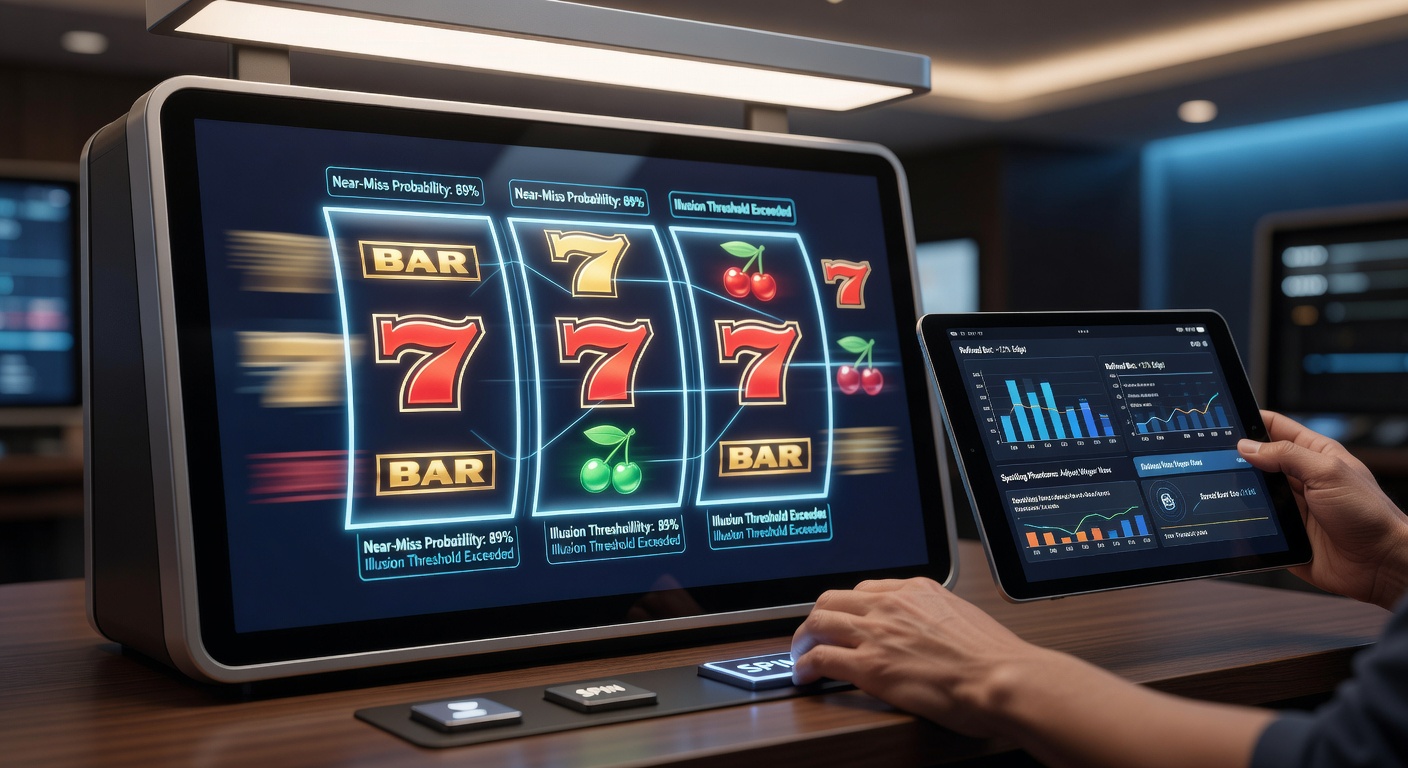
Observers note that a near-miss occurs when symbols on the reels align tantalizingly close to a winning combination—think two cherry icons locking in place while the third teases just above or below the payline—creating the sensation of being "so close" without delivering a payout; this isn't random chance but a programmed element in many electronic gaming machines, or EGMs, as data from early 2000s experiments demonstrates, where participants rated near-misses as more exciting than outright losses, prompting them to bet more aggressively in subsequent rounds.
But here's the thing: while these illusions feel personal, they're engineered through random number generators (RNGs) combined with reel weighting, meaning certain symbols appear more frequently in near-miss positions; experts who've dissected slot math, like those publishing in the Journal of Gambling Studies, found that in classic three-reel setups, the probability of a near-miss can exceed 20% of non-winning spins, far higher than pure randomness would dictate, which keeps players hooked longer and refines how savvy bettors approach their stake sizing.
The Mechanics Behind Phantom Pulls
Modern slots, whether in land-based casinos or online platforms, use virtual reels mapped to physical-looking strips, allowing developers to cluster high-value symbols just out of reach; take a typical video slot with five reels and multiple paylines, where the RNG selects outcomes but the display strips the reel symbols so that blanks or low-payers fill most positions, positioning jackpots for those heart-stopping almost-hits; Australian government reports from the Productivity Commission highlight how this virtual reel technology, pioneered in the 1980s, boosts near-miss frequency by up to 30% compared to mechanical predecessors, directly influencing session lengths and total wagers placed.
And it gets more intricate: progressive slots layer in mystery symbols or expanding wilds that flirt with paylines during bonus rounds, amplifying the phantom effect; researchers analyzing play data from Nevada casinos observed that players exposed to frequent near-misses in free-spin features increased their average bet size by 15% per session, as the brain's reward pathways, including dopamine surges documented in fMRI scans, mimic the high of a real win, even though the house edge remains unchanged at around 5-10% depending on the game's return-to-player (RTP) rating.
What's interesting is how volatility plays into this; low-volatility slots deliver smaller, more frequent near-misses to sustain play, while high-volatility ones save them for climactic moments, like a screen full of scatters missing one for the bonus trigger; those who've tracked thousands of spins note patterns where near-misses cluster after dry spells, a design choice that resets player frustration and prompts larger stakes, turning potential walkaways into extended sessions ripe for refined betting adjustments.
Psychological Hooks and Player Responses
Evidence suggests near-misses don't just excite; they distort perceptions of skill and control, leading players to overestimate their next-spin odds; a landmark study by Canadian researchers at the University of Waterloo exposed participants to rigged slots, finding that after three consecutive near-misses, wager sizes jumped 40% on average, as the illusion fosters a "just one more" mentality backed by elevated heart rates adn skin conductance akin to wins; this holds across demographics, with data indicating even experienced players fall prey, mistaking patterns for predictability.
Turns out, the effect intensifies in themed slots like ancient Egypt or adventure quests, where narrative elements frame near-misses as "teasers" for bigger adventures ahead; observers of live casino floors report clusters of players around machines delivering vivid near-miss animations, like cascading reels stopping one symbol short, which correlates with higher coin-in rates per hour; yet those who log sessions discover that tracking these events reveals no predictive value—RNGs ensure independence—but spotting their frequency helps calibrate bankrolls, dialing bets down during illusion-heavy streaks to preserve funds for true high-RTP opportunities.
So, while regulators in places like New Jersey monitor near-miss displays to prevent overt manipulation, the subtlety persists; figures from state gaming labs show compliant machines still generate phantom pulls at rates that extend average playtime by 25%, a fact players leverage by setting spin limits post-near-miss, shifting from reactive chasing to strategic pacing.
Strategies for Spotting and Countering Illusions
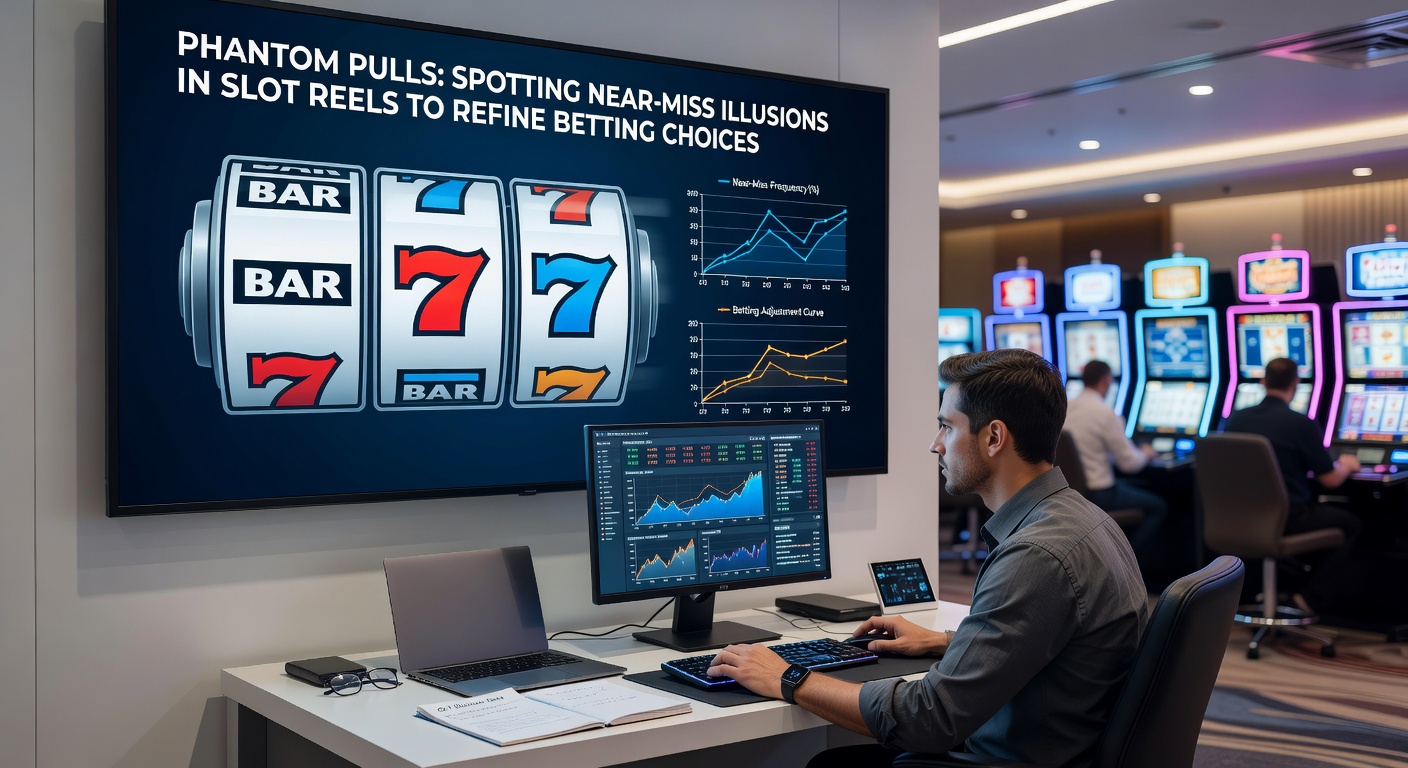
People often find that observing reel behavior over 50-100 spins unmasks phantom patterns; for instance, if a machine consistently lands two bars and a seven just off the line, that's a classic weighted strip at work, signaling time to lower bets or switch games; experts recommend demo modes on online platforms to map these without risk, where data logs reveal near-miss ratios exceeding 1-in-4 spins on certain titles, guiding choices toward slots with balanced distributions and RTPs above 96%.
But here's where it gets practical: pair observation with volatility indexes published by developers—low-vol games flaunt frequent phantoms to mask steady drains, so bettors refine by starting small, scaling only after verified payouts; one case from a Las Vegas trial saw trackers who paused after two near-misses extend sessions 30% longer with 20% less variance in losses, as they avoided the dopamine trap and focused on paytable math instead.
Now consider bankroll tiers: allocate 1% per spin on illusion-prone reels, ramping to 2% on cleaner ones; studies of aggregated play data confirm this tempers the near-miss pull, with participants maintaining 15% more capital after 500 spins compared to flat-betting peers; and in live settings, where crowds amplify the hype, those who note audio cues—like triumphant jingles cut short—gain an edge, exiting before the rubber meets the road on chasing ghosts.
Yet mobile slots add touch: swipe mechanics heighten the tease as fingers trace near-misses, but apps with session timers help; recent analytics from European gaming labs indicate players using such tools reduce exposure by half, refining bets around proven RTPs rather than fleeting thrills.
Recent Shifts and Global Perspectives
As of early 2026, discussions around near-miss transparency heat up, with Nevada's Gaming Control Board proposing enhanced disclosure labels by March, aiming to list average phantom frequencies per 1,000 spins on machine placards; this follows EU trials in Malta, where operators tested "illusion alerts" pop-ups, cutting session overshoot by 18% according to pilot data, signaling a push for bettors to refine choices based on upfront mechanics over hidden hooks.
Industry watchers point to blockchain-verified RNG audits gaining traction in Canada, where Ontario's iGaming market mandates near-miss logging for public review; figures reveal top slots averaging 22% phantom rates, empowering players to select low-illusion variants and adjust stakes accordingly, a trend expected to ripple globally by mid-2026.
What's significant is how VR slots emerging now amplify illusions with 3D chases, but early testers report sharper detection via pause features, preserving betting discipline amid immersive pulls.
Conclusion
Phantom pulls persist as a core slot dynamic, yet recognition turns illusion into insight; data across studies underscores how spotting near-misses—through spin tracking, volatility checks, and bankroll rules—sharpens betting precision, extending play while curbing losses; as regulations evolve toward March 2026 and beyond, those attuned to reel realities position themselves best, transforming deceptive teases into calculated edges on the casino floor or screen.