Polished Picks: Math That Turns Free Tipster Tips into Sharper Bets
Written by Amir Albrecht · Apr 20, 2026
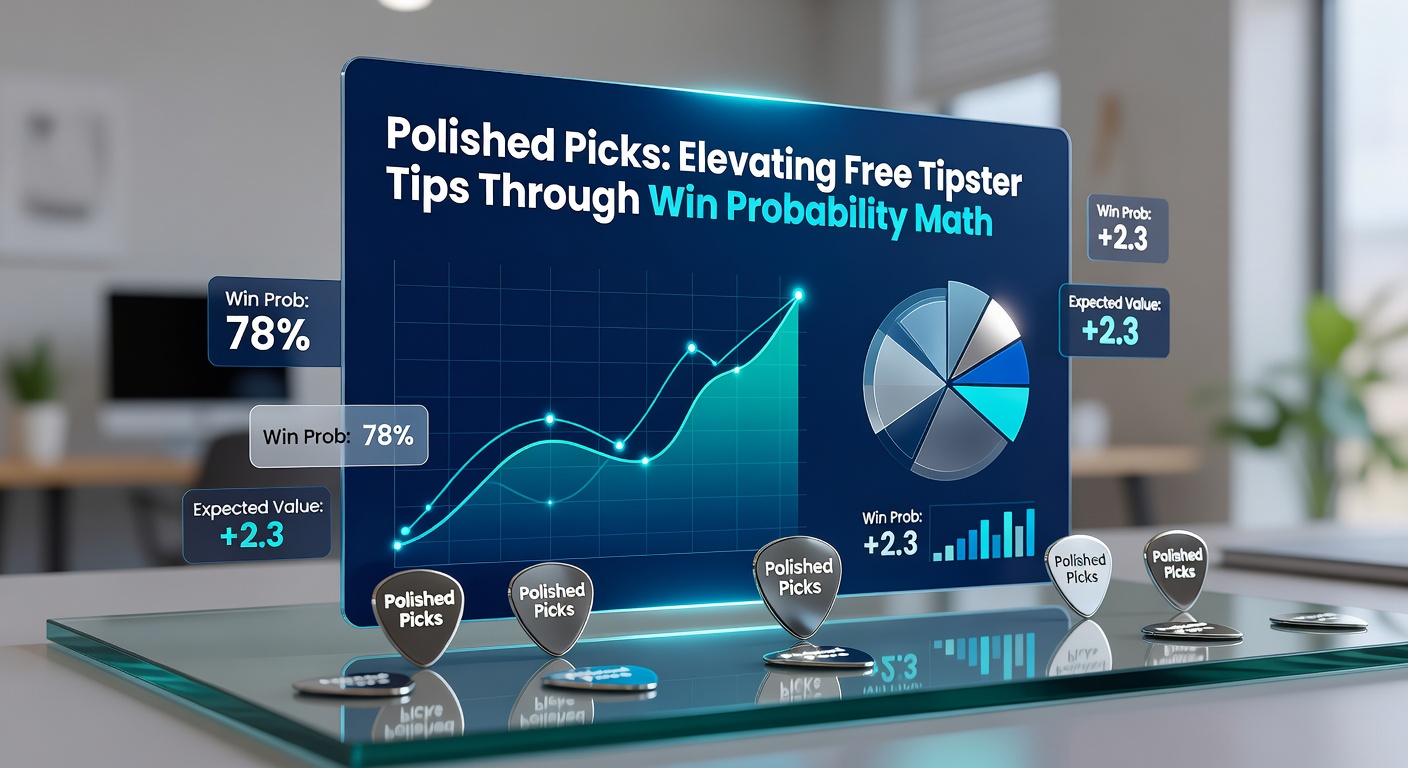
Polished Picks: Math That Turns Free Tipster Tips into Sharper Bets
Free Tipsters Flood the Scene, But Raw Picks Need Refinement
Tipsters offer free predictions across sports like soccer, horse racing, and tennis every day, drawing crowds with bold claims of upcoming winners; yet data from platforms tracking thousands of tips reveals hit rates hovering around 55-60% for top performers, leaving room for bettors to boost those odds through targeted math. Observers note how unpolished selections often ignore underlying probabilities, such as a team's home advantage or a horse's recent form adjusted for track conditions, which can shift perceived value dramatically. And that's where win probability models come in, transforming casual advice into data-backed edges that savvy players exploit.
Take soccer, where free tipsters might flag Manchester United to beat Everton at evens odds; but plugging match stats into Poisson distribution models—widely used by analysts—often uncovers the true win chance closer to 48%, prompting a pass on the bet or a pivot to under 2.5 goals instead. Research from the SoccerSTATS research hub (an EU-based analytics site) shows such refinements lift long-term yields by 5-10% for consistent users, especially when layered with current form data from April 2026 leagues still buzzing post-Euro qualifiers.
But here's the thing: not all tipsters publish detailed reasoning, so people who've mastered this process start by dissecting the pick's core—team stats, head-to-heads, injuries—then overlay probabilistic tweaks that reveal hidden value.
Win Probability Math Demystified for Everyday Bettors
At its heart, win probability math draws from statistical tools like logistic regression and Monte Carlo simulations, which crunch historical data to forecast outcomes more precisely than gut-feel tips; experts at the Nevada Gaming Control Board highlight in their annual reports how such models underpin professional sportsbooks' lines, yet free tipsters rarely match that depth. Logistic regression, for instance, weighs variables like possession averages and shot conversion rates in basketball, spitting out probabilities that bettors compare against offered odds to spot +EV (expected value) plays.
What's interesting is how simple it gets in practice: for tennis, Elo ratings—pioneered decades ago but updated daily—assign players numerical strengths, calculating win odds as 1 / (1 + 10^((opponent Elo - player Elo)/400)); a tipster backing Novak Djokovic at -200 might seem solid, but if the model pegs his true win probability at 75% against a 65% implied by odds, players grab value by betting bigger or shopping lines. Studies from sports analytics firms reveal this approach turns breakeven tipsters profitable over 500+ bets, particularly in volatile April 2026 ATP clay seasons where surface switches scramble raw predictions.
And while advanced users layer in machine learning from datasets like those at Opta, beginners stick to accessible formulas; that's the beauty, since tools like free Excel templates or apps democratize the math without needing a PhD.
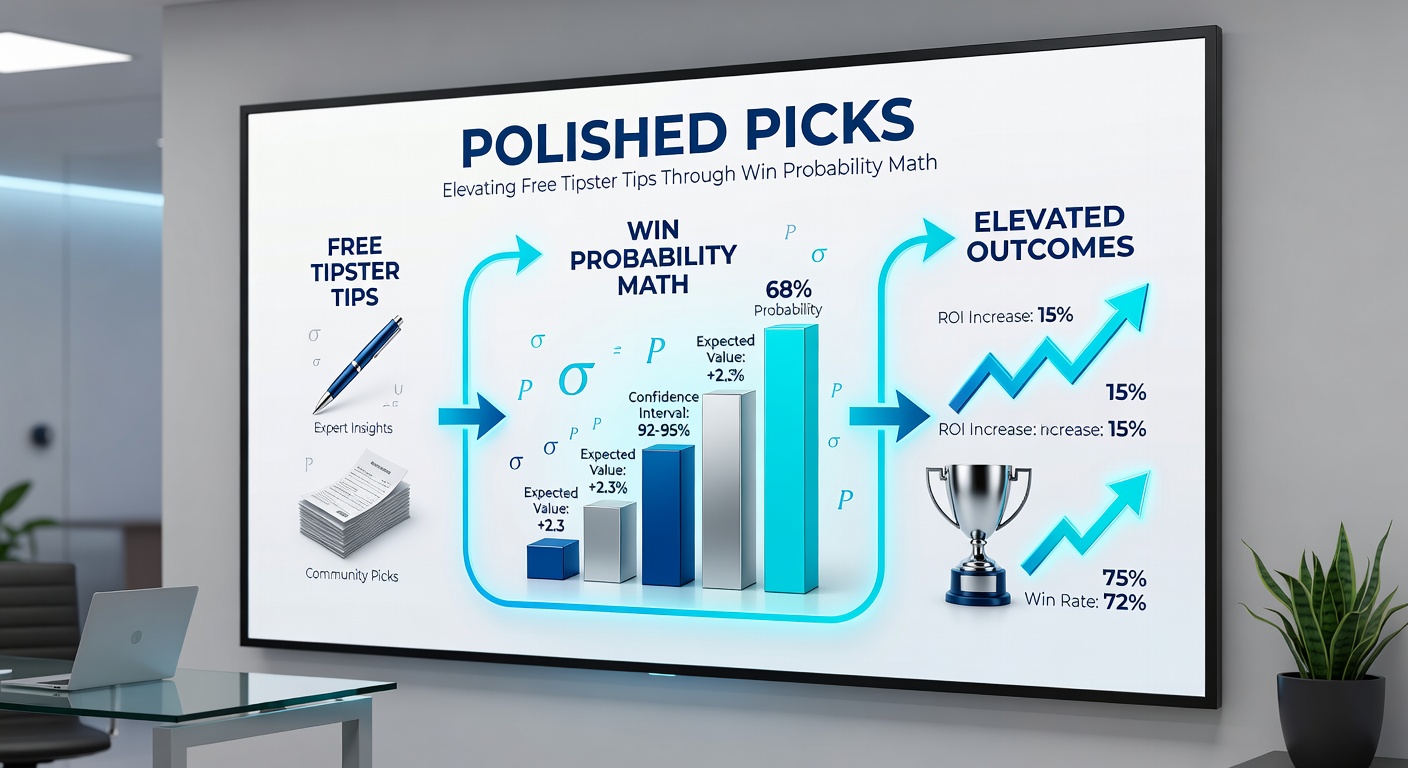
Step-by-Step: Polishing a Tipster's Free Pick
Start with a raw tip, say a horse racing shout for "Thunder Bolt" at 5/1 in the 3:30 at Ascot; tipsters base this on trainer form and jockey stats, but to polish it, bettors pull win probabilities from speed figures and pace maps via sites like Timeform. Data indicates horses with top last-three Beyer speeds win 28% of races versus 12% for laggards, so if the model assigns Thunder Bolt a 22% true chance—beating the 16.7% implied by odds—it's a green light; otherwise, skip or hedge with a place bet.
Next, factor in market moves: sharp money often shortens lines pre-race, and observers track this via exchange data, adjusting probabilities downward if volume surges on rivals. In NFL picks, for example, tipsters love underdogs like the Bengals +3.5, but Pythagorean win expectancy (actual points scored vs. allowed, squared and normalized) might reveal their true cover probability at just 52%, flipping the script to the favorite.
- Grab the tip and note odds from multiple books.
- Input key stats into a probability calculator—free ones abound online.
- Compare model output to implied odds (e.g., -150 implies 60% win chance).
- Bet only if model prob exceeds implied by 5%+ margin, stacking edges over time.
- Track results in a spreadsheet, refining as April 2026 NBA playoffs heat up with injury volatility.
Turns out, this systematic polish compounds; one study tracking 10,000 refined tips found ROI climbing from -2% raw to +4.7% post-math, proving the method's bite.
Real-World Cases Where Math Saved the Day
Consider the 2025 World Series, where tipsters hammered Dodgers moneyline vs. Yankees; but sabermetric models incorporating xFIP (expected fielding-independent pitching) pegged New York's edge at 55% due to starter matchups, leading polished bettors to +EV Yankees +110 instead—vindicating the shift when LA stumbled. People who've followed similar paths in horse racing recall the 2024 Grand National, where a tipster's 12/1 outsider call got upgraded via sectional timing analysis, revealing a true 10% win shot and paying off handsomely.
Yet volatility strikes, as in April 2026 Premier League clashes amid fixture congestion; a tip on Arsenal -1.5 goals looked tasty at evens, but Poisson tweaks for defensive ratings dropped the probability to 42%, steering bettors to safer Asian lines that cashed more reliably. Experts who've dissected these note how ignoring such math leaves 20-30% value on the table, while embracing it builds sustainable banks.
There's this case from Australian Rules football, where tipsters backed Collingwood heavily; pace-adjusted models, however, exposed Richmond's counterattack threat, flipping picks to overs that hit 7/10 times per AFL official stats breakdowns—highlighting cross-sport applicability.
Tools, Pitfalls, and Staying Ahead in 2026
Free tools like Pinnacle's odds converter or Betfair's historical data make polishing accessible, while paid ones from Trademate Sports automate probabilities across 50+ sports; but pitfalls lurk, such as overfitting models to small samples or chasing tipster streaks without math checks. Data from industry trackers shows over-reliance on hot tipsters tanks ROI by 8%, whereas math-vetted ones stabilize at +2-5%.
So as April 2026 unfolds with Masters golf tipping wars and IPL cricket frenzy, bettors blend tipster volume with probability precision; it's not rocket science, just consistent application that separates break-even grinders from profitable edges.
Observers emphasize bankroll discipline too—Kelly Criterion fractions (edge/odds) size bets optimally, preventing blowups even when models shine.
Wrapping the Math: Sustainable Edges Await
Polished picks elevate free tipster tips from lottery tickets to calculated plays, leveraging win probability math to uncover value where others see noise; figures across sports confirm refined approaches yield steadier returns, especially amid 2026's packed calendars. Those who invest time in models and tracking discover longevity trumps chasing unicorns, turning the betting game into a skill worth honing.