Strategic Resource Sequencing in Casino Promotions and Game Variance Analysis
Written by Casey Albrecht · Aug 10, 2026
Strategic Resource Sequencing in Casino Promotions and Game Variance Analysis
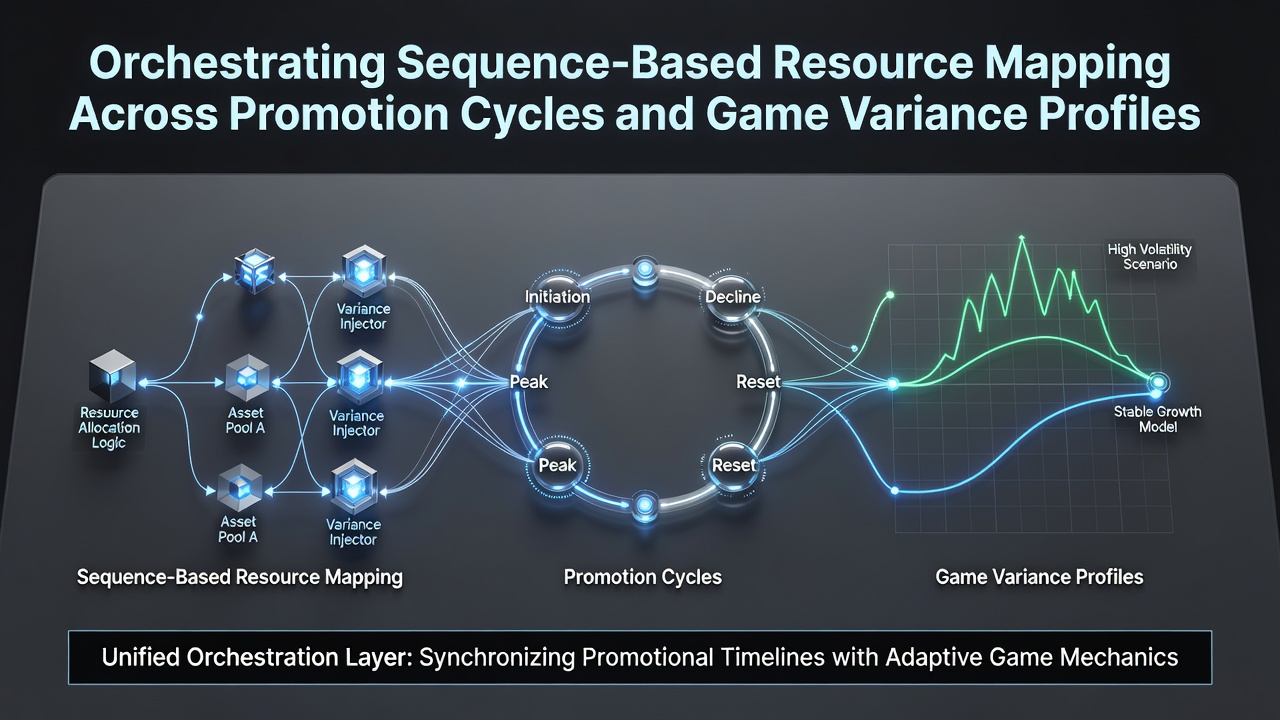
Operators and analysts track sequence-based resource mapping as a method to align deposit timing, bonus structures, and game selection with shifting promotional windows. Data from multiple jurisdictions shows that promotion cycles often run in 30 to 90 day blocks, while game variance profiles remain constant properties of each title. Those who study these patterns note that mapping sequences helps match available funds to periods when multipliers or free spin offers reach peak value.
Defining Promotion Cycles and Their Resource Demands
Promotion cycles follow calendar patterns that operators publish in advance. August 2026 brought new data releases from several North American regulators showing a 12 percent increase in reload bonus frequency during summer months compared with earlier quarters. Resource mapping requires logging each cycle's start date, deposit match percentage, wagering multiplier, and expiration window. Analysts then assign numerical weights to these elements so that bankroll allocation follows a predetermined order rather than reactive decisions.
Sequence mapping treats each promotion as a node in a chain. The first node captures the initial deposit, the second applies any free spin or cashback layer, and later nodes account for cash-out thresholds. Researchers at the University of Nevada's Center for Gaming Research have documented how these chains lengthen when operators stack reload offers with loyalty tier upgrades. Mapping tools convert the chain into a timeline that shows cumulative wagering requirements and expected return windows.
Game Variance Profiles as Fixed Inputs
Variance profiles describe the statistical spread of outcomes for each game category. Slots with high variance produce infrequent but larger returns, whereas low-variance titles deliver steadier smaller results. Blackjack variants differ by rule set and side-bet frequency, creating distinct volatility signatures. Baccarat and roulette carry lower variance when players restrict bets to banker or even-money positions. Mapping sequences incorporate these profiles by assigning each game a volatility score that adjusts the pace at which resources move through a promotion cycle.
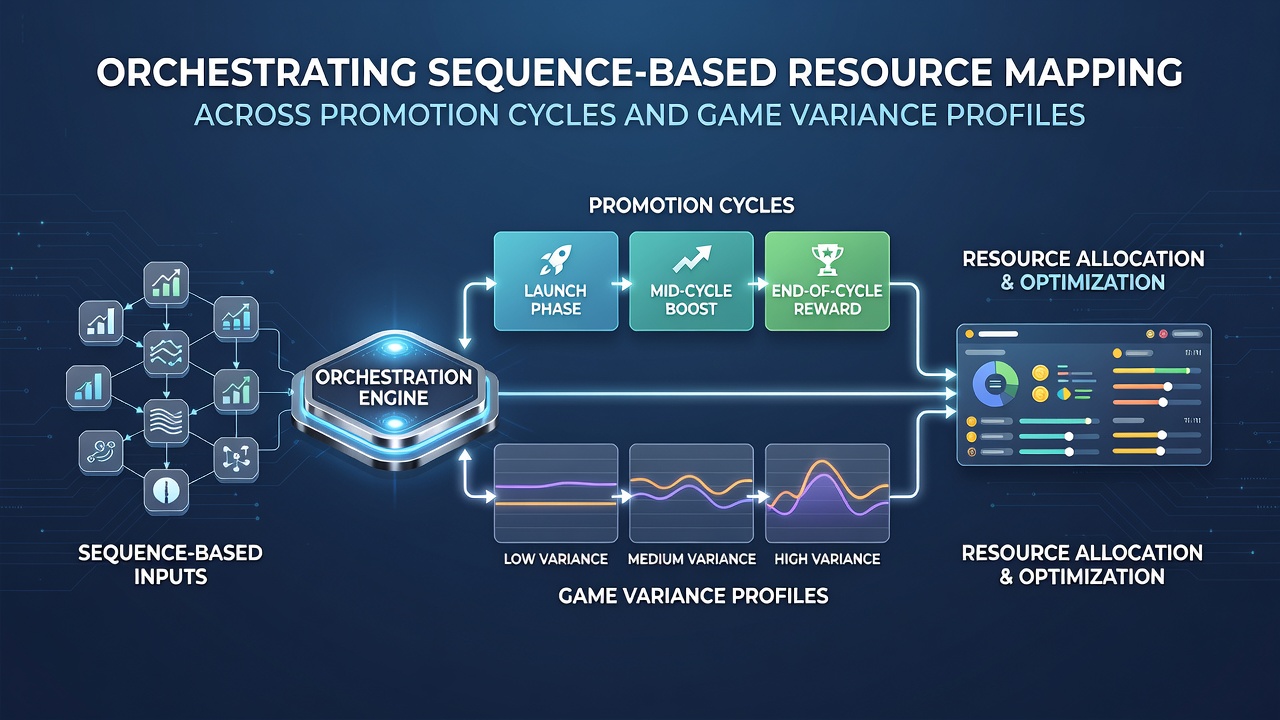
Observers note that high-variance games require longer holding periods to realize expected value, so sequences place them earlier in a cycle when bonus funds still carry low wagering multipliers. Lower-variance games fit later stages once the bulk of play-through obligations have been met. Industry reports from the Canadian Gaming Association indicate that players who reorder game selection according to variance scores reduce the number of cycles that end with depleted balances by measurable margins.
Constructing Sequence Maps Across Multiple Cycles
Building a map begins with collecting cycle calendars from several operators. Analysts plot deposit windows, bonus percentages, and game restrictions onto a shared timeline. Each game receives a variance tag that determines its position within the sequence. The resulting map shows where capital should move next and which titles satisfy remaining wagering requirements most efficiently.
One documented approach uses decision trees that branch at each promotion node. Branches reflect variance-adjusted expected values rather than raw payout percentages. Academic papers from the University of Sydney's Gambling Research Unit describe how these trees incorporate constraints such as maximum bet limits during bonus play. The trees produce recommended sequences that operators and players can test against historical transaction logs.
Integration with Real-Time Data Feeds
Modern mapping systems pull live data on remaining bonus balances, current wagering progress, and upcoming promotion announcements. August 2026 updates from several European regulatory bodies highlighted the growing availability of API endpoints that deliver this information in standardized formats. Systems then recalculate the sequence daily, shifting game recommendations when a high-variance title appears in a new free-spin bundle or when a low-variance table game receives an unadvertised multiplier.
Sequence adjustments also account for game availability changes. When an operator removes a title or alters its rules, the map reorders subsequent steps without resetting the entire cycle. Tracking these shifts requires maintaining a version history of each map so that performance comparisons remain valid across different promotional periods.
Conclusion
Sequence-based resource mapping combines promotion cycle timelines with fixed variance profiles to produce ordered allocation plans. Data releases in August 2026 confirmed continued growth in the number of operators publishing cycle calendars and variance statistics through public APIs. Analysts continue to refine decision-tree models and real-time adjustment protocols, while research institutions track outcomes across multiple jurisdictions. The approach remains a factual framework for organizing deposit, bonus, and game-selection decisions according to measurable inputs rather than ad-hoc choices.